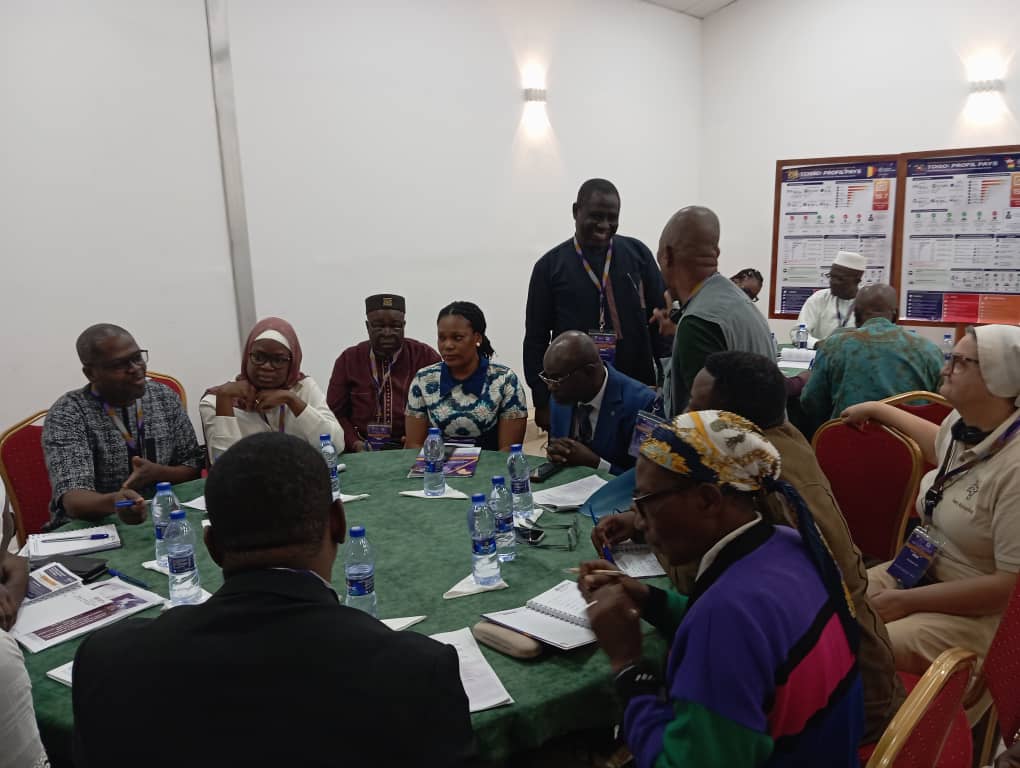
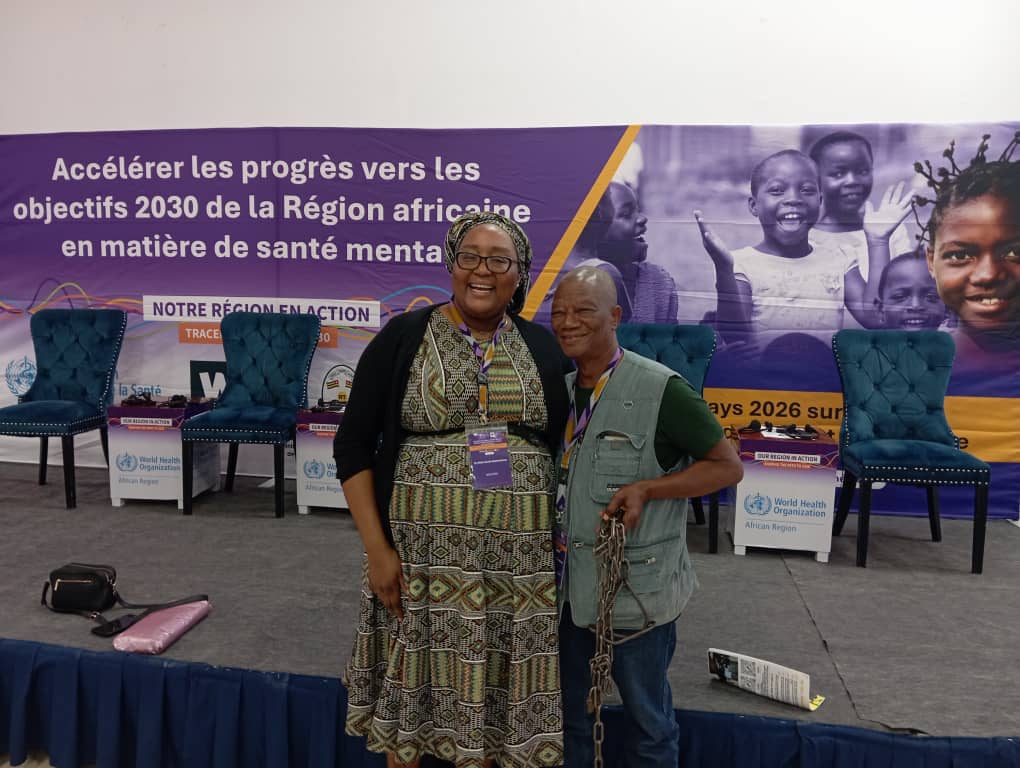
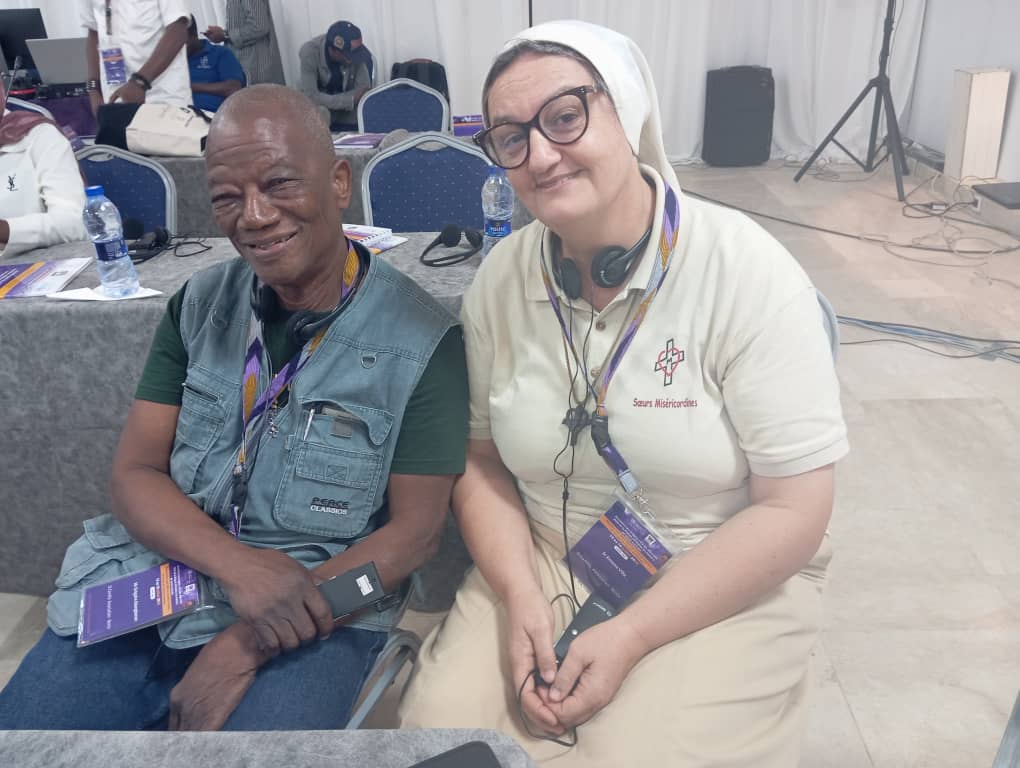
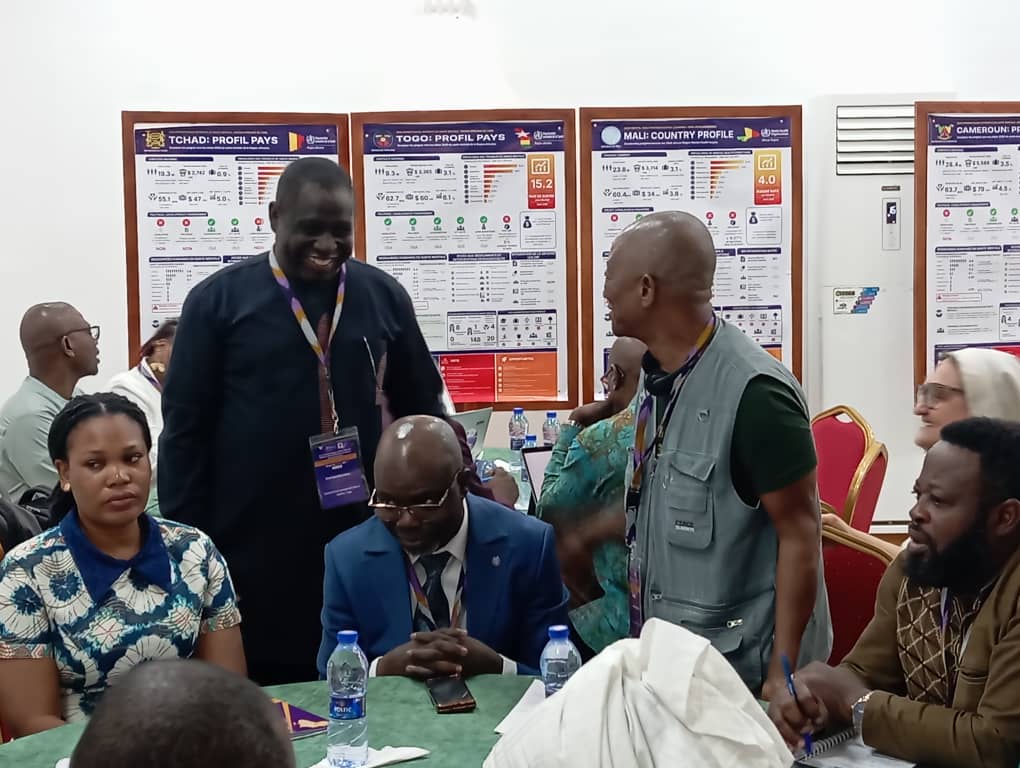
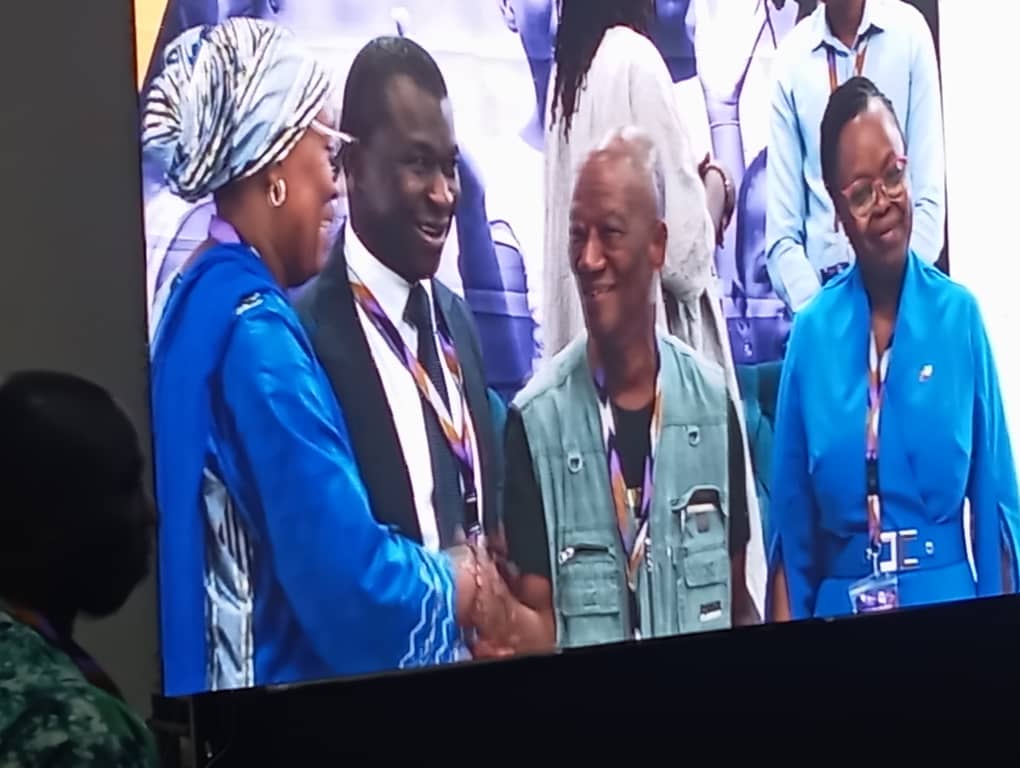
From July 15 to 18, 2026, Lomé (Togo) hosted the Inter-Country Consultative Meeting on Mental Health, organized by the World Health Organization (WHO). This meeting brought together representatives from many West and Central African countries, experts, civil society organizations and partners, with the aim of accelerating progress towards the regional mental health objectives for 2030.
On this occasion, Saint Camille took an active part in the work, particularly during the second day. The participants first exchanged in working groups before continuing the discussions in plenary session.
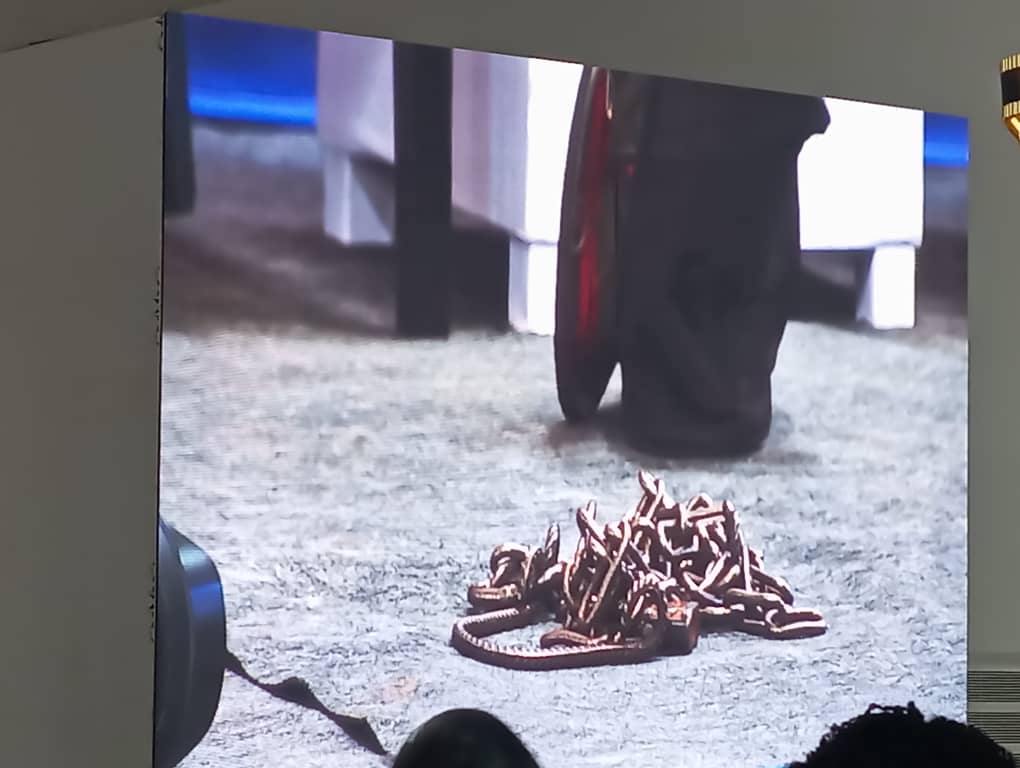
During this session, Mr. Grégoire Ahongbonon presented the experience of Saint Camille, based on a humanist approach which consists of treating people suffering from mental disorders with love, trusting them in order to promote their social reintegration and, above all, fighting against the chains that dehumanize the human being. He forcefully recalled the conviction that has guided his commitment for decades: “As long as a single man is still in chains, all of humanity is in chains. »
He also pleaded in favor of free care for all people with mental disorders, believing that access to care constitutes a fundamental right.
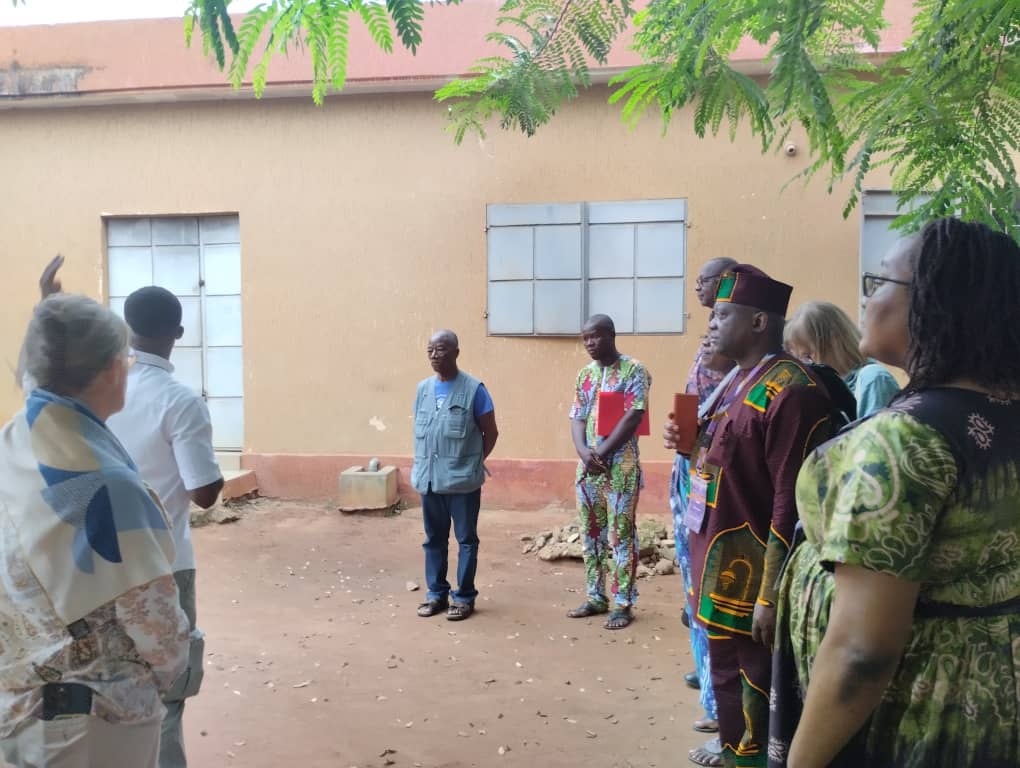
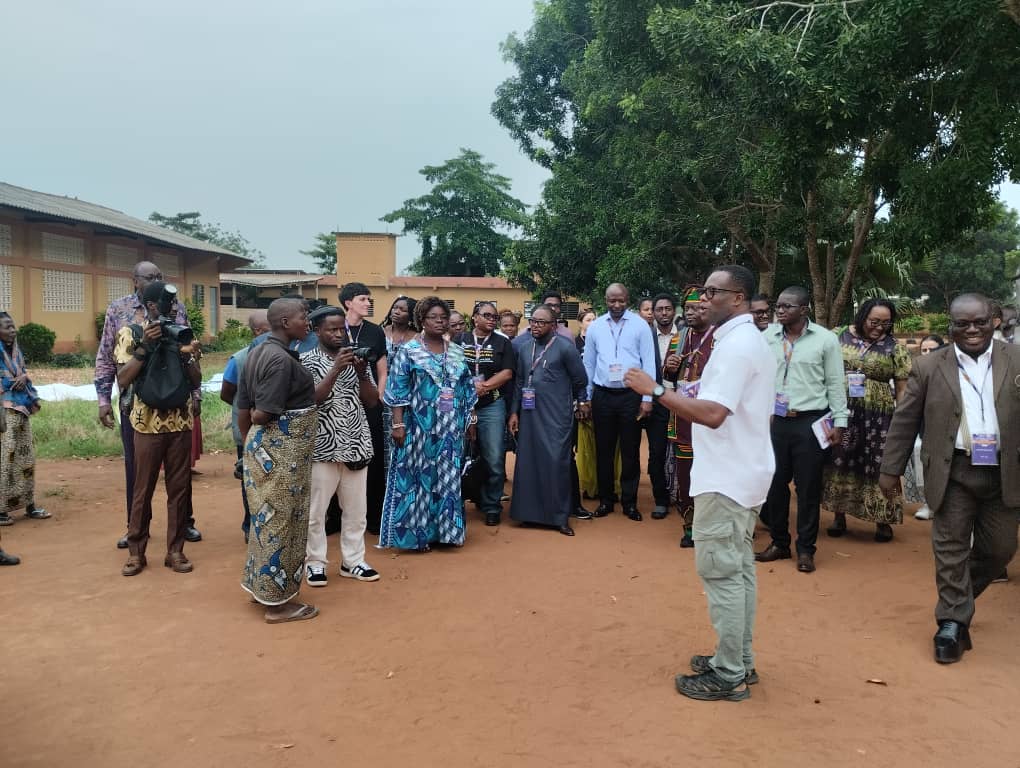
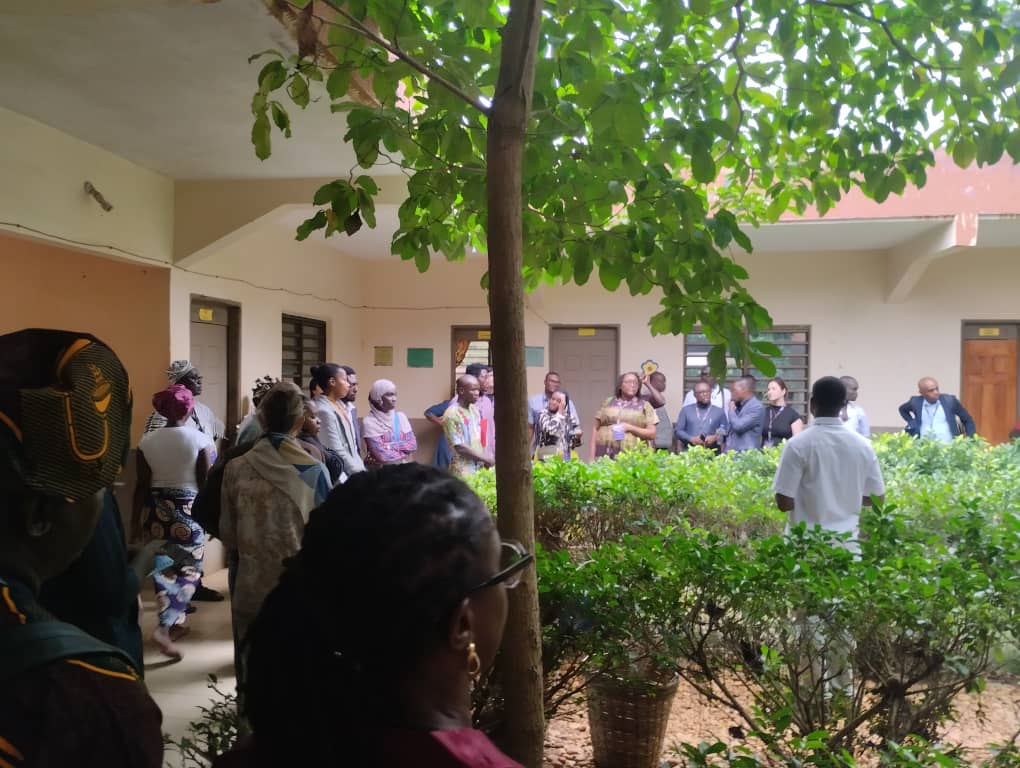
On July 17, a large delegation from the World Health Organization, led by Dr Chido Rwafa-Madzvamutse, Mental Health Focal Point for the WHO Africa Region, went to the Misericortine Mental Health Center in Zooti in order to discover concretely the experience developed by Saint Camille.
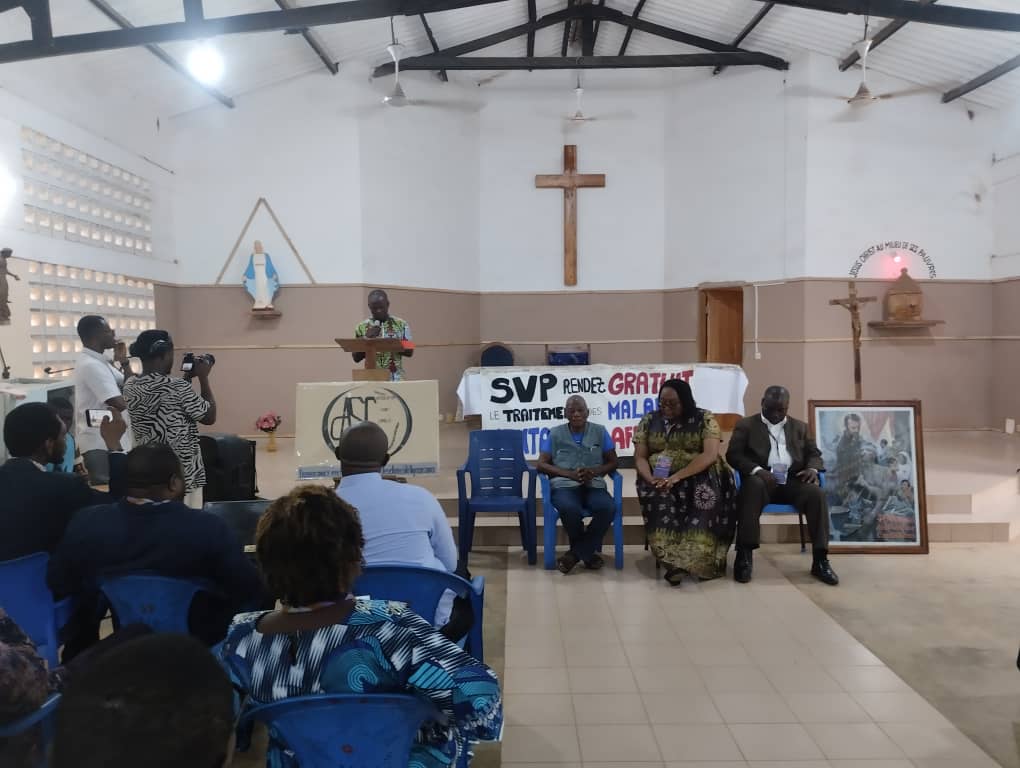
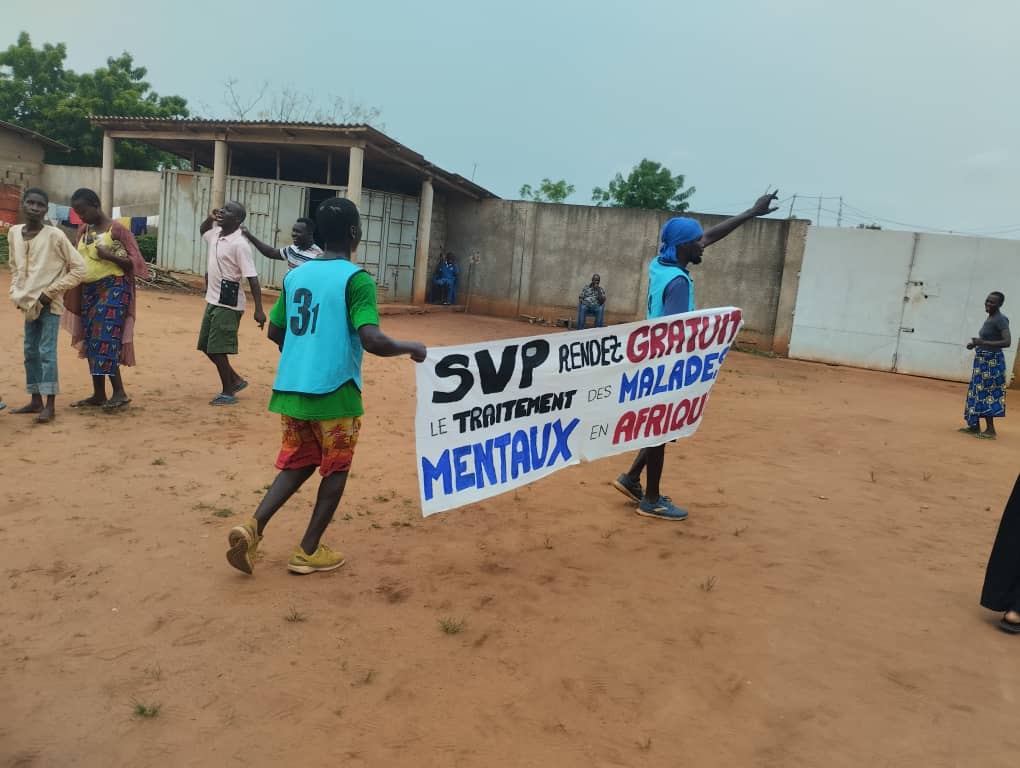
Welcomed warmly by the patients, the members of the delegation were touched by messages of welcome full of joy and recognition. Two patients then gave particularly moving testimonies. They spoke of the suffering linked to mental illness, the social rejection they had suffered, but also their recovery journey thanks to the care, support and attention received at Saint Camille. They explained that they had regained their health, their dignity and the joy of living within their community.
Taking advantage of this meeting, they launched a solemn appeal in favor of free care for people suffering from mental disorders in Africa: “Please make care free for all mentally ill people in Africa,” they declared to the WHO delegation.
The visit ended with discussions with patients as well as with the discovery of the different services of the two structures: the Miséricordine reception center and the Saint-Antoine rehabilitation center. This immersion allowed the delegation to concretely appreciate the Saint Camille approach, centered on respect for human dignity, comprehensive care for people with mental disorders and their reintegration into society.